How To Fix Broken Window Pane Info
How To Fix Broken Window Pane Info
 |
With the
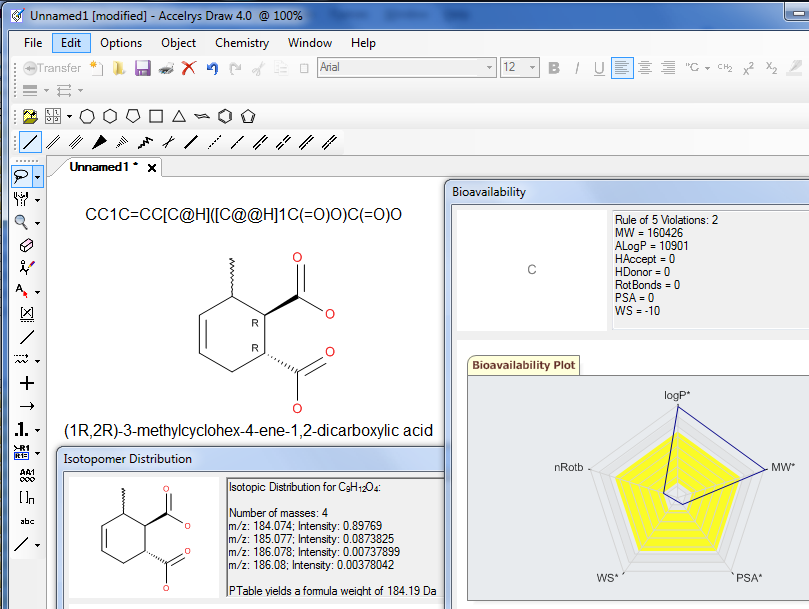
same look-and-feel as ISIS/Draw, Accelrys Draw delivers speed and
efficiency to your chemical drawing experience.
Accelrys Draw can easily swap out existing ISIS/Draw or ChemDraw applications. |
|
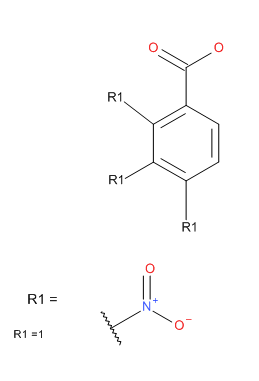
How To Fix Broken Window Pane InfoClick here for more details about Rgroups, an example, and a detailed procedure how to draw a Markush query. To draw a Markush query:
|
|
|
| Generic Structure
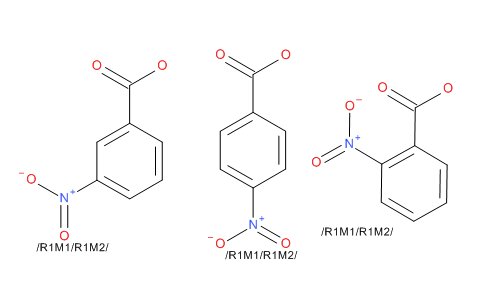
Enumerator The enumerator works against structures defined using the Rgroup tool in Accelrys Draw. In this mode you specify a scaffold with a number of Rgroup labels, then to add fragments to the Rgroup identifiers. The Add-in will calculate the complete set of structures that the Rgroups define. You can also define a generic region using the Sgroup tool. Draw the basic structure and using the Sgroup tool, drag a pair of brackets around a region that is repeated in the substance. From the dropdown select ‘generic’ for the bracket type, then select apply and exit from the dialog. Right click on one of the brackets and select the Attach Data option. In the dialog enter REPEATRANGE into the Field description box, and then enter the range in the Data box; leave the Search Operator set to none; the Tag field is optional. A contiguous range is required in the Data box, for example 3-6. A structure can contain both Rgroup definitions and Sgroup definitions, but they cannot overlap or be nested. You have the option to enumerate on to Accelrys Draw’s canvas, into an SDfile, or into an Isentris for Excel compatible spreadsheet. |
 |
|
How To Fix Broken Window Pane InfoThe penultimate step is the application of the face putty, which is the final weather seal and the aesthetic finish. A roll of fresh glazing putty is worked by hand until it is pliable and warm, then rolled into thin "snakes." These snakes are pressed against the glass and the frame. Using a putty knife, the putty is smoothed out, creating a beveled angle that slopes from the glass to the frame. This angle is crucial for water runoff; flat or concave putty can trap water, leading to rot in the wooden frame. Achieving a smooth, professional-looking bead of putty takes practice; the knife must be held at a consistent 45-degree angle and drawn along the putty in one fluid motion. Excess putty will squeeze out and can be scraped away, but care must be taken not to smudge the glass. Once the putty is tooled, it must be left to skin over and cure, a process that can take several days depending on humidity and temperature. Replacing a broken window pane is a manageable DIY project that can save you the cost of a full professional installation. Whether you are dealing with a historic wood frame or a modern aluminum one, the key to a successful repair is careful preparation, accurate measurement, and safety. how to fix broken window pane Having the right supplies on hand ensures a professional-grade seal and prevents injury. How to Replace Broken Glass Pane The penultimate step is the application of the Take a golf-ball-sized lump of glazing compound and knead it until soft and pliable. Roll it into a long rope (about ½ inch thick). Press this rope firmly around the glass-to-frame joint at a 45-degree angle. Then, using a putty knife, smooth the putty into a neat, sloped bead that overlaps the glass by about 1/8 inch and the frame by ¼ inch. Wipe away excess. This angle is crucial for water runoff; flat Leather work gloves, eye protection, long sleeves, and closed-toe shoes. Replacement glass (cut to size), glazing compound (putty) or silicone sealant, and new glazing points or clips. |
http://accelrys.com/products/informatics/cheminformatics/draw/add-ins.html | |
Chemical Drawing Programs – The Comparison of Accelrys (Accelrys) Draw, ChemDraw, DrawIt, ACD/ChemSketch and Chemistry 4-D DrawUniversity of Debrecen, POB 70, H-4010 Debrecen, Hungary, e-mail: Last major update : 1.11.2011 If you have any comment, do not hesitate to contact the author at the above adress. |
http://dragon.klte.hu/~gundat/rajzprogramok/dprog.html |