Buy now on Amazon Buy now on Barnes & Noble Buy now on Apple Books
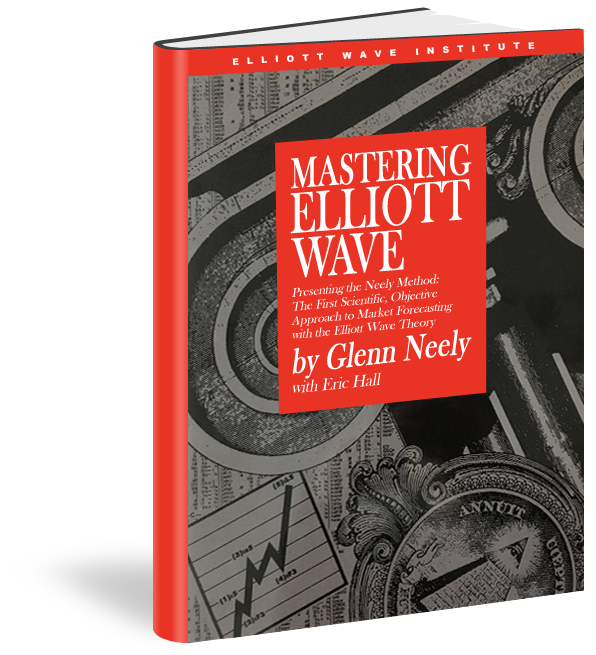
Mastering Elliott Wave book by Glenn Neely

No Paystation ~repack~ Jun 2026

In his classic book, Mastering Elliott Wave, Glenn Neely teaches his revolutionary approach to Wave theory, called NEoWave (advanced Elliott Wave). Continuously in print since its publication in 1990, this groundbreaking book changed Wave theory forever thanks to these scientific, objective, and logical enhancements to Wave forecasting. Step-by-step, Mr. Neely explains his advanced techniques and new discoveries.
Start reading chapter 1 below...

While the name might sound like a tech error or a gaming term, "Paystation" is a play on words combining "péage" (the French word for toll) and "station" (as in a toll booth). The movement argues that these new tolls represent a "double penalty" for citizens who already pay high taxes for road maintenance.

With LPR scanning, enforcement teams can instantly verify payment, leading to higher compliance rates.

Ultimately, the move toward eliminating physical paystations represents a broader societal shift toward automation and frictionless consumption. As technology continues to advance, the definition of a transaction is changing; it is no longer a physical act of stopping and paying, but a seamless, background process. The challenge for the future is ensuring that as the physical paystation disappears, accessibility and equity do not vanish along with it.

"NoPayStation" (NPS) is a popular open-source tool and database used by the PlayStation homebrew community to download game backups, DLCs, and updates directly from Sony's servers . It works by using legitimate PlayStation Network (PSN) links along with NoNpDrm license keys to allow content to run on modified consoles. Key Components for NoPayStation To use NoPayStation effectively, you typically need the following "pieces" or software components: NPS Browser

However, the removal of paystations introduces a new set of complexities. While digital-first systems streamline efficiency, they create barriers for specific demographics, particularly the elderly or unbanked populations who may rely on cash and physical interfaces. A "No Paystation" environment risks becoming an exclusionary zone for those without access to smartphones or digital banking. Furthermore, the reliance on invisible payments raises concerns about privacy and data security, as every transaction creates a digital footprint that tracks user behavior and location.
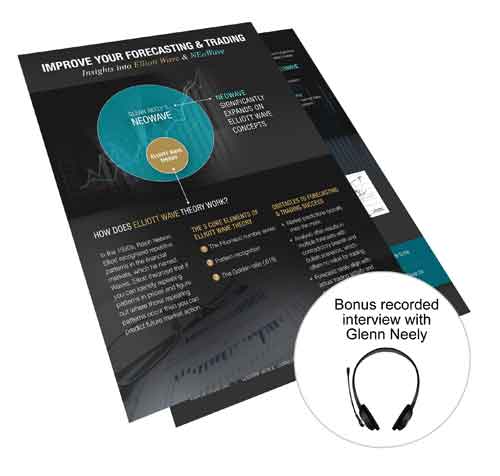

Want to read the next chapter? Buy the book!

Buy now on Amazon
Buy now on Barnes & Noble
Buy now on Apple Books

No Paystation ~repack~ Jun 2026

While the name might sound like a tech error or a gaming term, "Paystation" is a play on words combining "péage" (the French word for toll) and "station" (as in a toll booth). The movement argues that these new tolls represent a "double penalty" for citizens who already pay high taxes for road maintenance.

With LPR scanning, enforcement teams can instantly verify payment, leading to higher compliance rates. no paystation

Ultimately, the move toward eliminating physical paystations represents a broader societal shift toward automation and frictionless consumption. As technology continues to advance, the definition of a transaction is changing; it is no longer a physical act of stopping and paying, but a seamless, background process. The challenge for the future is ensuring that as the physical paystation disappears, accessibility and equity do not vanish along with it. While the name might sound like a tech

"NoPayStation" (NPS) is a popular open-source tool and database used by the PlayStation homebrew community to download game backups, DLCs, and updates directly from Sony's servers . It works by using legitimate PlayStation Network (PSN) links along with NoNpDrm license keys to allow content to run on modified consoles. Key Components for NoPayStation To use NoPayStation effectively, you typically need the following "pieces" or software components: NPS Browser "NoPayStation" (NPS) is a popular open-source tool and

However, the removal of paystations introduces a new set of complexities. While digital-first systems streamline efficiency, they create barriers for specific demographics, particularly the elderly or unbanked populations who may rely on cash and physical interfaces. A "No Paystation" environment risks becoming an exclusionary zone for those without access to smartphones or digital banking. Furthermore, the reliance on invisible payments raises concerns about privacy and data security, as every transaction creates a digital footprint that tracks user behavior and location.