blankcard.stl for 3D printinglibusb is a triumph of practical abstraction. It does not replace kernel drivers but rather redefines the boundary between kernel and user space for a massive class of USB devices—those where moderate latency, cross-platform compatibility, and crash safety outweigh peak performance. It has lowered the barrier to entry so dramatically that a hobbyist can write a custom USB driver in an afternoon using Python bindings (via pyusb ). In doing so, libusb has accelerated the proliferation of open-source hardware tools, enabled rapid prototyping, and proven that user-space I/O is a viable, often superior, design choice. Its limitations remind us that no abstraction is perfect, but its widespread adoption confirms that for the majority of USB applications, living in user space is not a compromise—it is an improvement.
The implementation of a "libusb driver" varies slightly depending on your operating system:
Reach us via email if you can help.
Many thanks to our supporters and contributors who have joined us in this pursuit of preserving this segment of digital history:
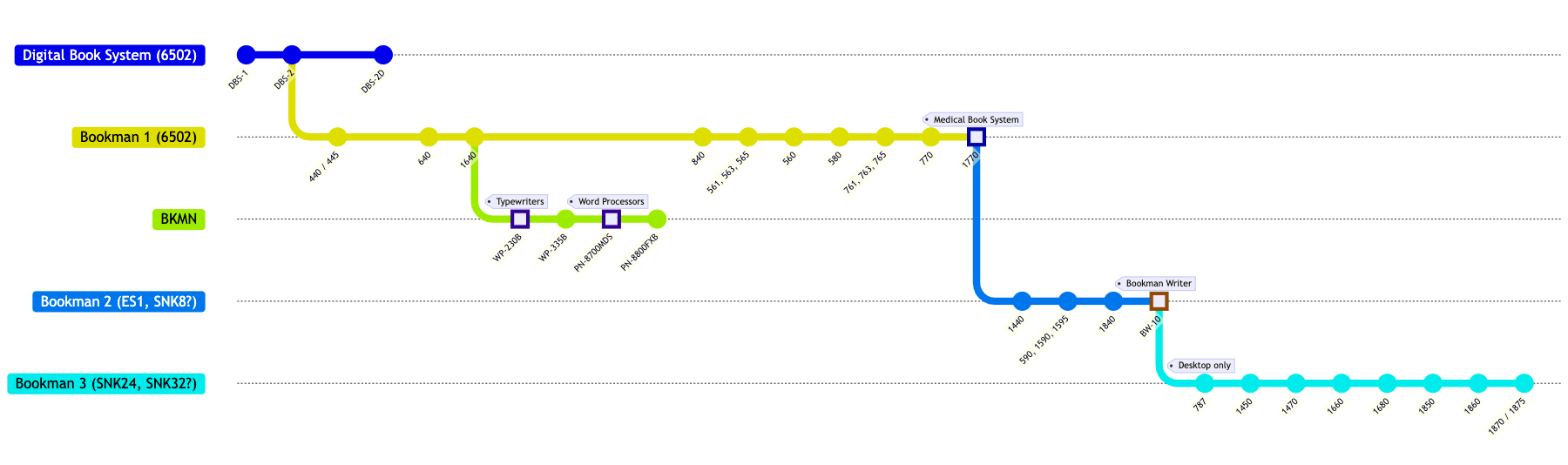
Bookman system compatibility chart coming soon.
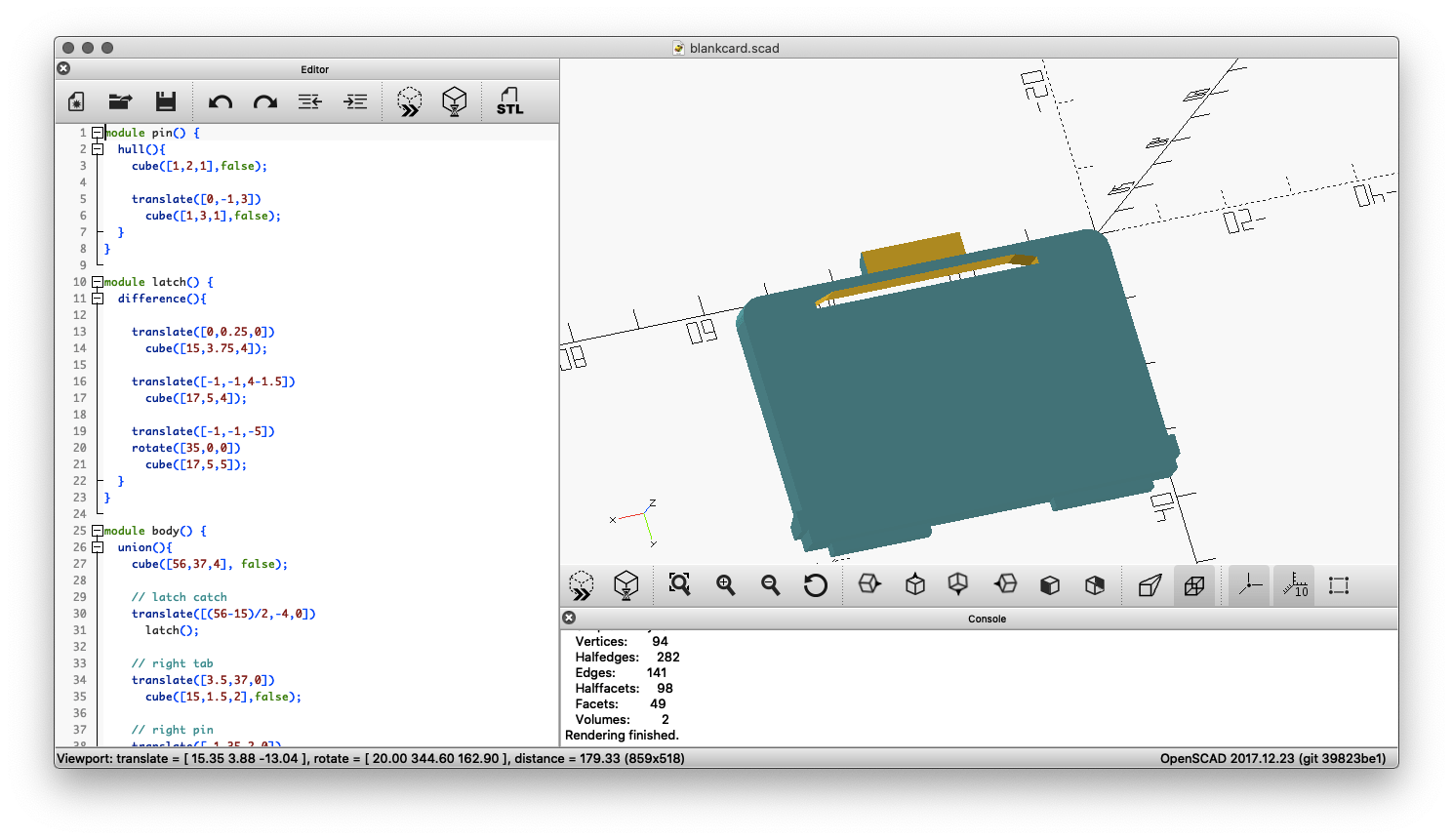
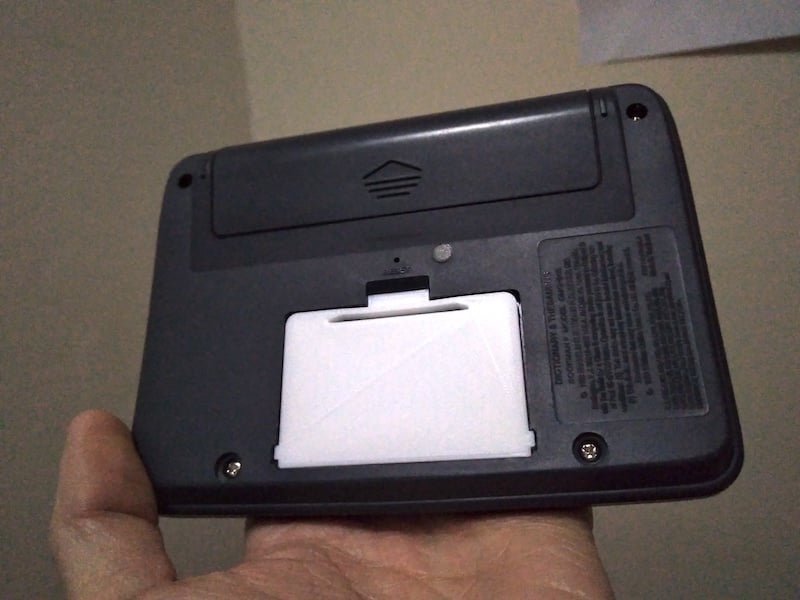
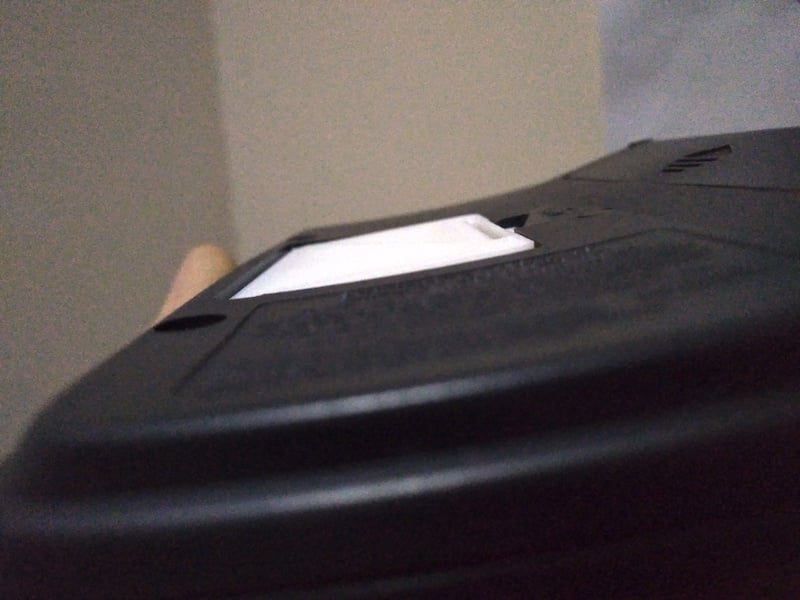
This 3D printable card blank will ensure your Bookman cartridge contact strip stays clean and sits flush with the rest of the device by filling the card slot.
|
|
|
Download blankcard.stl for 3D printing |
||
This tool is used to create replacement labels for Franklin BOOKMAN cartridges that have faded or otherwise deteriorated labelling. The generated labels are downloadable as SVG files and can be printed at 100% scale for a 1:1 reproduction size suitable for application on worn ROM cards.
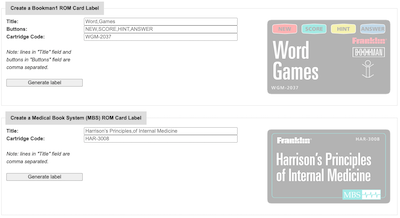
See the source code for this tool here.
You can find scans of various Franklin promotional / catalog leaflets below. Items listed in chronological order.
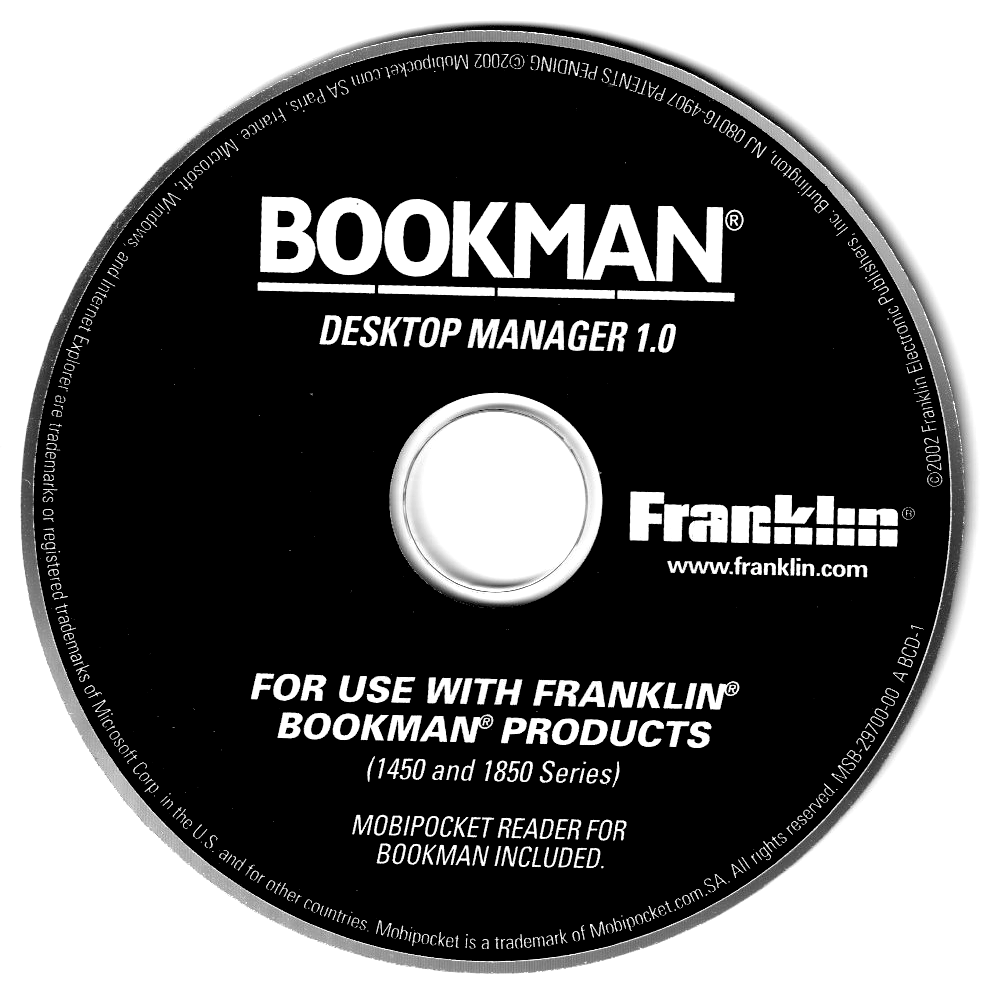
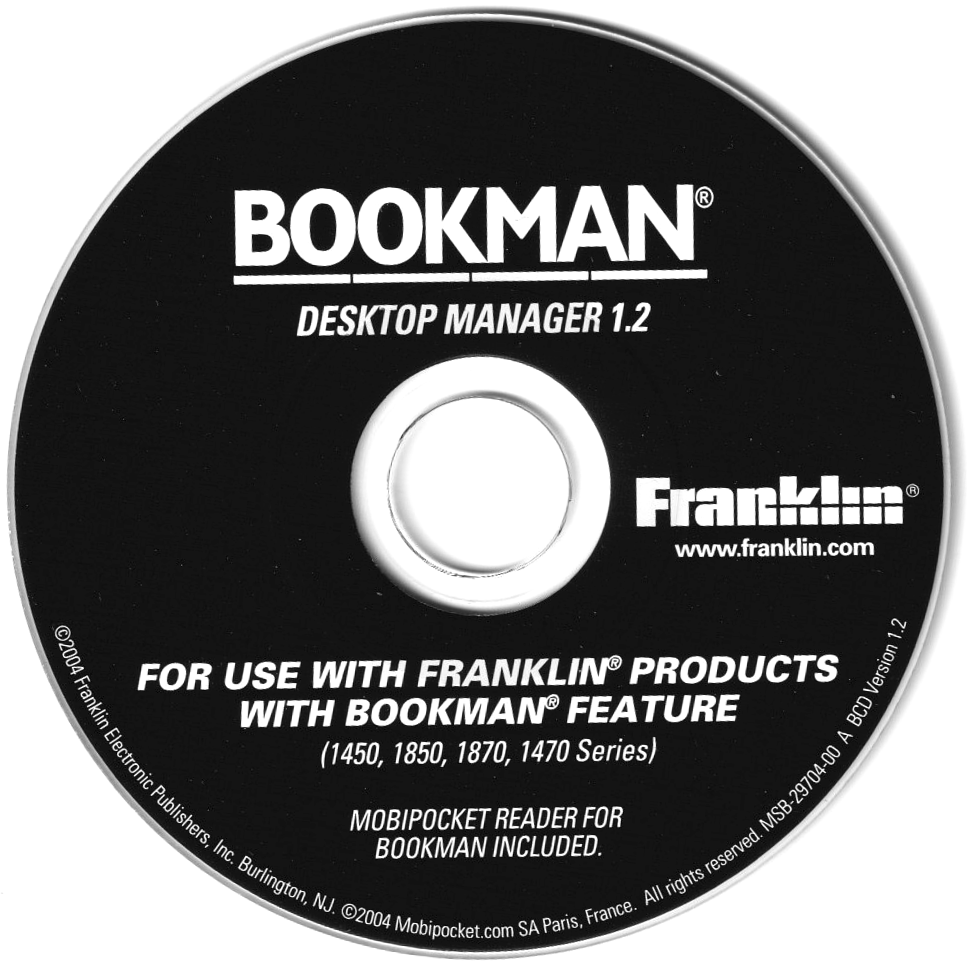
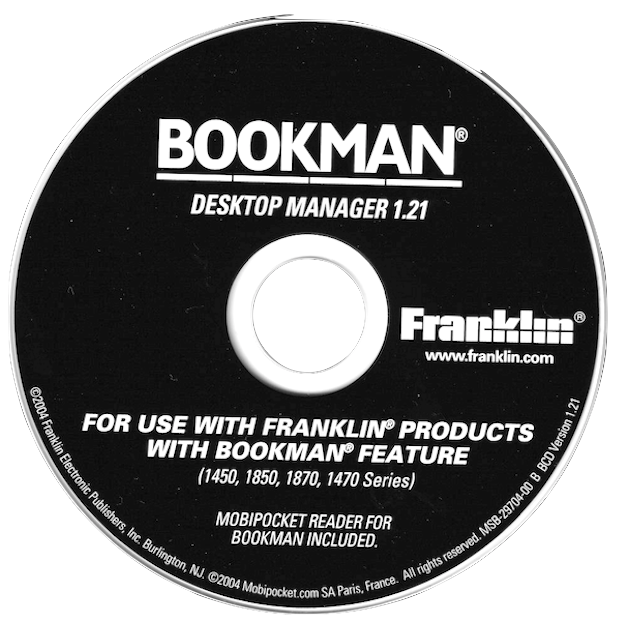
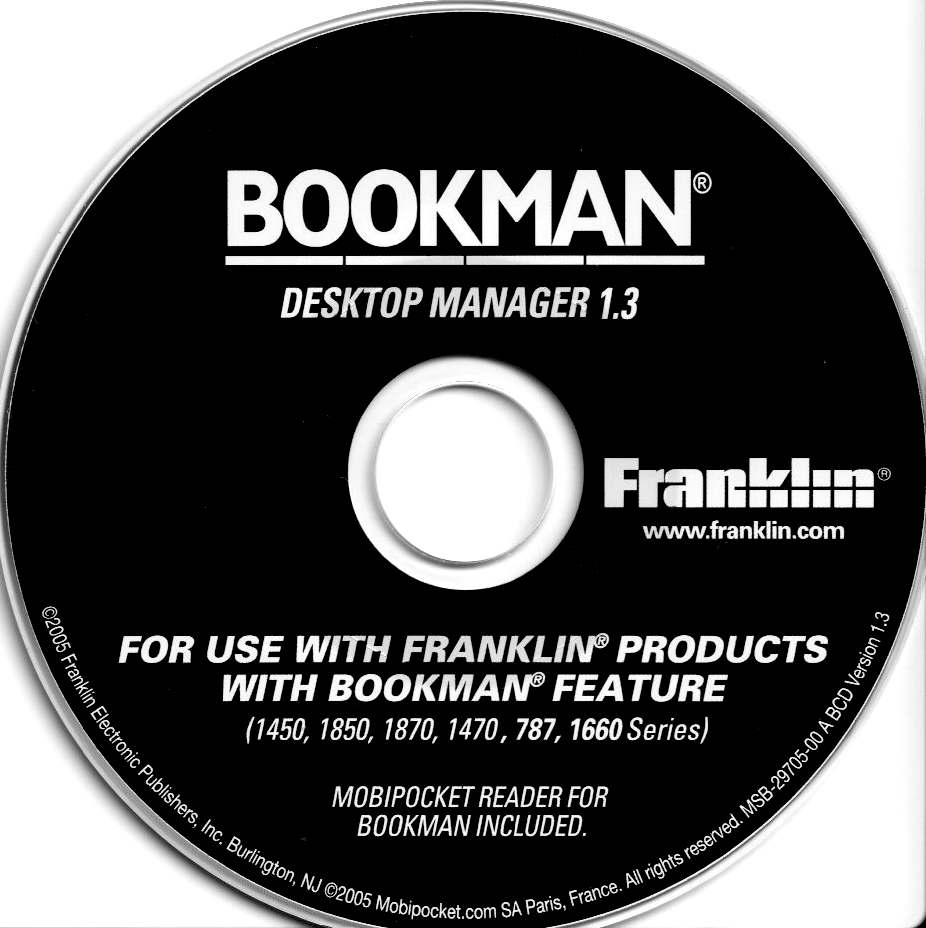
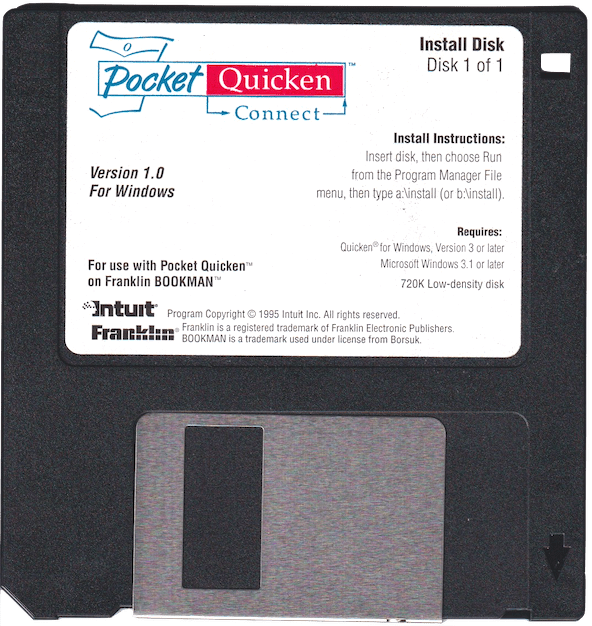
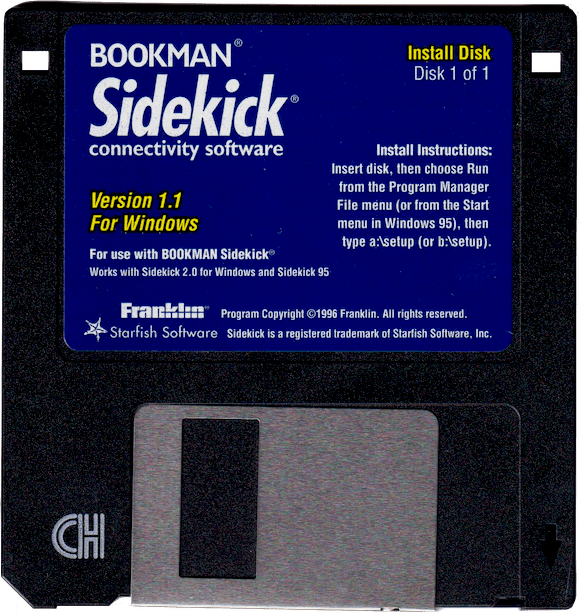
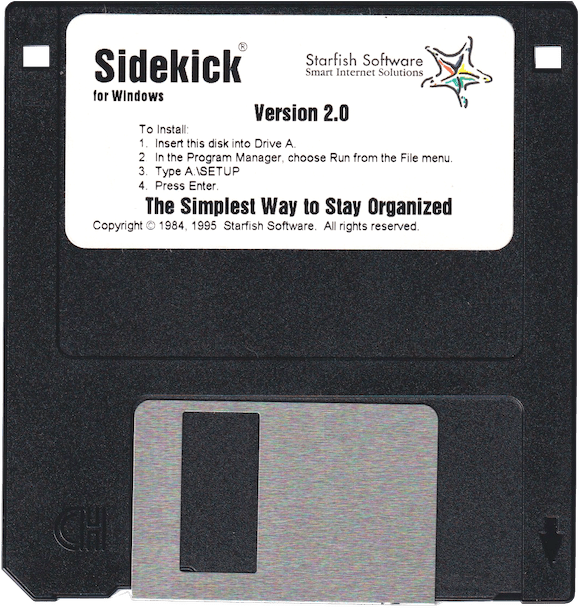
This is a collection of disk images and files of related software that came bundled as part of various Franklin DBS / Bookman devices. Click to download these files.
|
|
|
|
|
|
|
FEP received its own official number in the USB vendor code list after submitting it to the USB consortium: 0x09b2 (hex) or 2482 (dec). The submission was related to use of USB for the eBookman device.
CK2FRK
libusb is a triumph of practical abstraction. It does not replace kernel drivers but rather redefines the boundary between kernel and user space for a massive class of USB devices—those where moderate latency, cross-platform compatibility, and crash safety outweigh peak performance. It has lowered the barrier to entry so dramatically that a hobbyist can write a custom USB driver in an afternoon using Python bindings (via pyusb ). In doing so, libusb has accelerated the proliferation of open-source hardware tools, enabled rapid prototyping, and proven that user-space I/O is a viable, often superior, design choice. Its limitations remind us that no abstraction is perfect, but its widespread adoption confirms that for the majority of USB applications, living in user space is not a compromise—it is an improvement.
The implementation of a "libusb driver" varies slightly depending on your operating system: libusb driver
Did you find this topic interesting? Check out other projects like this one!